

Tips Blog
If you are asking how do you know if you need auto repairs, watch for changes in how your vehicle starts, sounds, brakes, steers, or performs. Warning lights, leaks, unusual smells, and shaking often mean something needs professional attention. Scheduling auto repair services early can keep a small problem from becoming an expensive breakdown.
Signs you may need repairs:
Wondering how do you know if you need auto repairs? Learn common warning signs and when professional auto repair services can help protect your vehicle.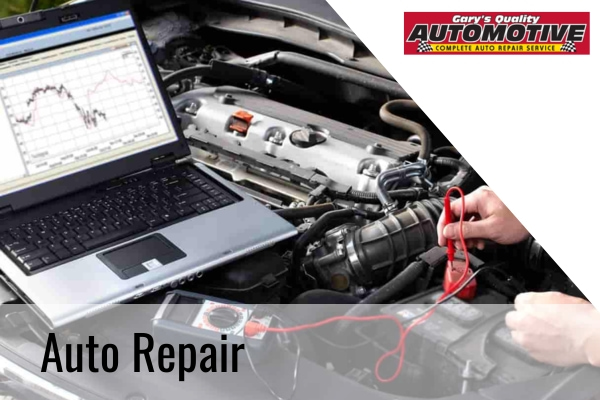
If you are asking how do you know if you need auto repairs, watch for changes in how your vehicle starts, sounds, brakes, steers, or performs. Warning lights, leaks, unusual smells, and shaking often mean something needs professional attention. Scheduling auto repair services early can keep a small problem from becoming an expensive breakdown.
Signs you may need repairs:
READ MOREIf you are asking how often should you get a tune up, start with your owner’s manual. Older vehicles with non-electronic ignition systems may need service every 10,000 to 12,000 miles. Newer vehicles with electronic ignition and fuel injection can often go 25,000 to 100,000 miles before a major car tune up. Service needs also depend on your mileage and driving habits.
Wondering how often should you get a tune up? Discover when a car tune up is needed to maintain engine performance, fuel efficiency, and reliability.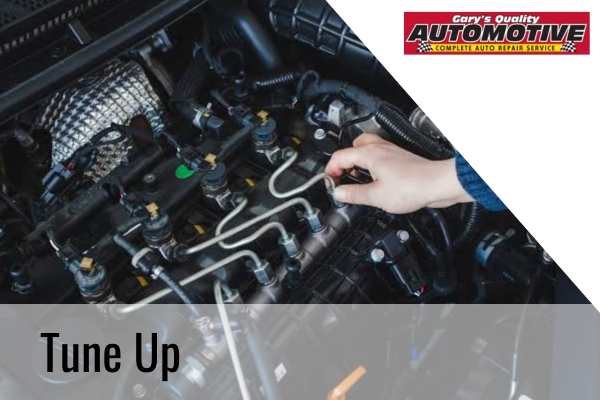
If you are asking how often should you get a tune up, start with your owner’s manual. Older vehicles with non-electronic ignition systems may need service every 10,000 to 12,000 miles. Newer vehicles with electronic ignition and fuel injection can often go 25,000 to 100,000 miles before a major car tune up. Service needs also depend on your mileage and driving habits.
READ MOREOne of the many responsibilities of car ownership is to have the car serviced on a regular basis. This not only maintains the car’s working life but saves you money in the long and even short run. Here are some answers to “How often should vehicle maintenance be done?”
Car Maintenance Schedule
Wondering how often vehicle maintenance should be done? Follow expert car maintenance tips to avoid breakdowns and costly repairs.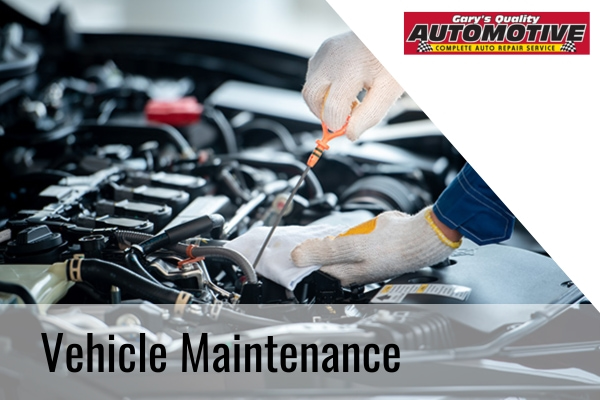
One of the many responsibilities of car ownership is to have the car serviced on a regular basis. This not only maintains the car’s working life but saves you money in the long and even short run. Here are some answers to “How often should vehicle maintenance be done?”