What are the signs of bad brake pads?
When asking what are the signs of bad brake pads, there are several things to look for. A properly functioning system, including both your brake pads and brake rotors, is what keeps you and others safe on the road. Paying attention to these signs is essential for your safety and your car's braking system. Ignoring these signals can lead to serious safety issues, like the inability to stop or an accident.
What are the signs of bad brake pads?
- Unusual noise: A high-pitched squeal or squeaking sound when you apply the brakes is often the first warning. This is usually caused by a small, metal wear indicator on the brake pad that makes contact with the brake rotors when the pad gets too thin. If you ignore this sound, it could escalate into a grinding noise, which you might even feel when depressing the brake pedal.
- Vibrations or shaking: If your brake pedal vibrates, feels like it is grinding, or shakes, it could be a sign of bad pads or rotors.
- Pulling to One Side: Another sign of possible brake pads or rotors that need maintenance is if the car is slow to stop or pulls to one side. You might notice the pedal has to be pressed harder or all the way to the floor in order for you to stop normally.
- Visible damage: Physically checking the pads and brake rotors for any damage, such as excessive wear, scoring, or grooved rotors.
- Dashboard warning light: Some cars come with an indicator on the dashboard that tells you if there's a problem with your braking system.
Paying attention to how your brakes sound and feel, as well as how they perform, is key. Regular maintenance is the best way to ensure your brakes — and you and your passengers — stay safe.
Question about what are the signs of bad brake pads? Contact our ASE Certified Technicians at Gary’s Quality Automotive for more information about brake rotors and to schedule an appointment. Our auto shop proudly serves vehicle owners in Grand Island, NE, Wood River, NE, and Doniphan, NE.
About the Author

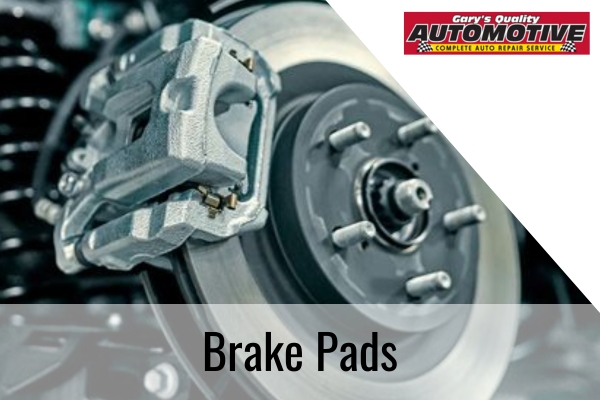
When asking what are the signs of bad brake pads, there are several things to look for. A properly functioning system, including both your brake pads and brake rotors, is what keeps you and others safe on the road. Paying attention to these signs is essential for your safety and your car's braking system. Ignoring these signals can lead to serious safety issues, like the inability to stop or an accident.
What are the signs of bad brake pads?
- Unusual noise: A high-pitched squeal or squeaking sound when you apply the brakes is often the first warning. This is usually caused by a small, metal wear indicator on the brake pad that makes contact with the brake rotors when the pad gets too thin. If you ignore this sound, it could escalate into a grinding noise, which you might even feel when depressing the brake pedal.
- Vibrations or shaking: If your brake pedal vibrates, feels like it is grinding, or shakes, it could be a sign of bad pads or rotors.
- Pulling to One Side: Another sign of possible brake pads or rotors that need maintenance is if the car is slow to stop or pulls to one side. You might notice the pedal has to be pressed harder or all the way to the floor in order for you to stop normally.
- Visible damage: Physically checking the pads and brake rotors for any damage, such as excessive wear, scoring, or grooved rotors.
- Dashboard warning light: Some cars come with an indicator on the dashboard that tells you if there's a problem with your braking system.
Paying attention to how your brakes sound and feel, as well as how they perform, is key. Regular maintenance is the best way to ensure your brakes — and you and your passengers — stay safe.
Question about what are the signs of bad brake pads? Contact our ASE Certified Technicians at Gary’s Quality Automotive for more information about brake rotors and to schedule an appointment. Our auto shop proudly serves vehicle owners in Grand Island, NE, Wood River, NE, and Doniphan, NE.
About the Author